
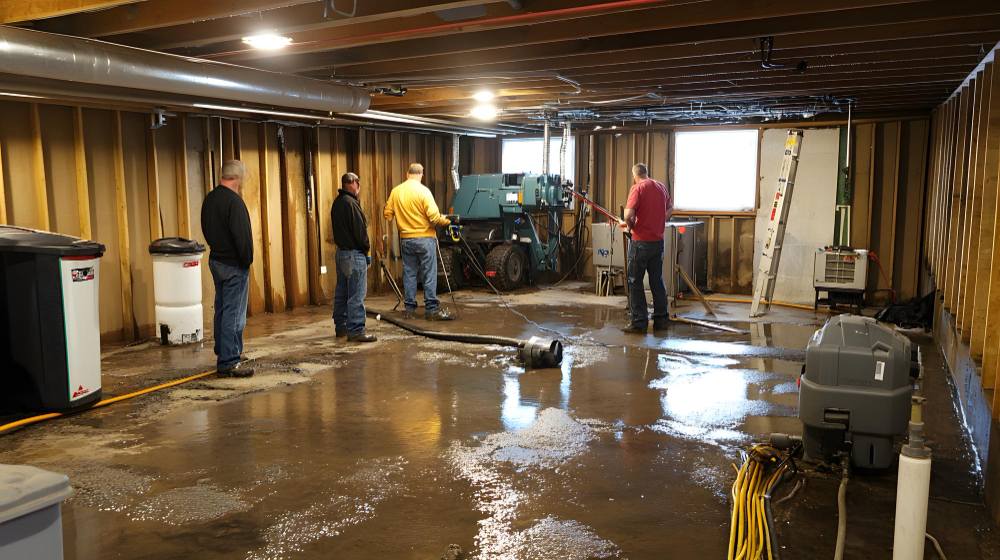
A sewage backup is among the most distressing and dangerous issues a homeowner can face. In addition to the overwhelming mess and unpleasant odor, raw sewage brings hazardous bacteria, viruses, and pollutants into your living space. Understanding how sewage backups happen and knowing how to respond safely is crucial for protecting your home and health.
Cleaning up sewage is always spiteful. However, taking rapid action and following the correct strategies can help you reduce risks and avoid long-term damage. This guide explains why sewage backups occur, the warning signs to watch for, safe clean-up steps, and effective prevention methods.
Typical warning signs of a blocked sewer line include:
If water drains slowly from your sinks, toilets, or bathtubs, it might suggest a partial sewer blockage. This slowdown often occurs when debris, grease, or build-up begins to restrict wastewater flow.
Gurgling noises from toilets or drains typically suggest that air is having trouble escaping through a blockage in the sewer line, which could signal an impending backup.
A wet or overflowing floor drain in your laundry room or basement may indicate an early sign of a sewer problem backup.
A strong, unpleasant sewage odor is often the clearest indicator of a problem. If you detect this smell in your home, it could suggest a sewer backup.
If water backs up from your shower, bathtub, or sink—especially when a toilet is flushed—it is a strong indication of a sewer line blockage that requires immediate attention.
Before you can tackle a sewer backup, it helps to understand why it happens in the first place. Knowing the root cause not only makes clean-up easier but also enables you to prevent future incidents.
Older homes often face plumbing issues due to ageing and fragile pipes. When these pipes crack, puncture, or collapse, the likelihood of sewage backups increases significantly. If you suspect damage to your pipes or sewer lines, it is suggested that you arrange a professional inspection to resolve the issue early, before it accelerates.
Just as household drains can get clogged with grease, wipes, and other debris, your main sewer line can experience the same problem. When blockages happen, raw sewage can back up into your home via various drains. It is important to be careful about what you flush or pour down the sink to prevent this.
Tree roots infiltrating and encasing sewer pipes are among the most common causes of backups, particularly in older homes. As the roots grow thicker, they can crush and crack the pipes. Slow drains and gurgling toilets can signal that tree roots are intruding into your sewer lines. Don’t overlook these warning signs; address the roots quickly to avoid a total blockage and an expensive, messy backup.
If the sanitary sewer system isn’t designed to manage the incoming flow, particularly with increased development or illegal connections, it may cause backflows.
By staying attentive to these common causes, you can better protect your home from sewer backups.
Cleaning sewage must be done correctly to avoid contamination and permanent damage. Below is a comprehensive cleanup process every homeowner should follow.
Wear waterproof gloves, boots, goggles, and a mask. Keep pets, children, and vulnerable individuals out of the affected area.
If a fixture is overflowing or a pipe is leaking, stop all water usage and shut off the main water valve if necessary.
Use a wet-dry vacuum, sump pump, or buckets to extract contaminated water. Dispose of wastewater in accordance with local guidelines.
Furniture, boxes, carpets, and personal belongings that have been exposed to sewage may need to be discarded unless they can be thoroughly sanitized.
Start by washing all surfaces with soap or detergent. Once cleaned, apply a strong disinfectant or bleach solution to kill bacteria and viruses. You need to focus particularly on porous surfaces, walls, and flooring.
Use industrial fans, heaters, and dehumidifiers to remove moisture. Within 24 to 48 hours, mold can start to grow if the area is not completely dried.
Have a licensed plumbing professional inspect your sewer line, pipes, and drains to ensure the issue does not recur.
Not all sewage backups are manageable on your own. You should call a professional when:
Professionals use industrial disinfectants, specialized pumps, and sewer cameras to ensure complete sanitation and accurate diagnosis
Preventing raw sewage from entering your basement is always easier than dealing with the clean-up afterwards. Taking proactive measures can help safeguard your home, plumbing, and health. Here are some practical methods to lower the chances of sewage backups:
A backwater valve acts as a one-way gate, preventing sewage from flowing back into your home during heavy rain or when sewer lines are blocked.
Periodic inspections help identify cracks, tree root intrusion, or build-up before they lead to costly backups.
Avoid flushing wipes, grease, or other debris that can clog pipes. Use strainers to catch hair and food particles, keeping the drain clear.
Ensure your sump pump is functioning properly, and consider adding a battery backup to keep it operational during power outages.
Repair leaky, cracked, ageing pipes before they fail and cause sewage to back up into your basement.
Plant trees and shrubs away from the sewer lines to prevent roots from infiltrating and damaging your pipes.
Accessible cleanouts allow for quicker removal of blockages, helping prevent backups and minimizing damage.
Dealing with raw sewage in the basement poses serious risks and can be very stressful. However, with the right approach, you can safeguard your home and health. By recognizing the early warning signs, following an appropriate cleanup process, and investing in preventive maintenance, you can minimize long-term risks. It is crucial to conduct a thorough cleanup, including disinfecting surfaces, removing contaminated materials, and thoroughly drying the area.
Taking preventive measures can also help lessen future issues. It is key to act quickly to safeguard your property and ensure a safe living environment.